Back Fat and Bra Rolls: Is Back Liposuction Worth It?
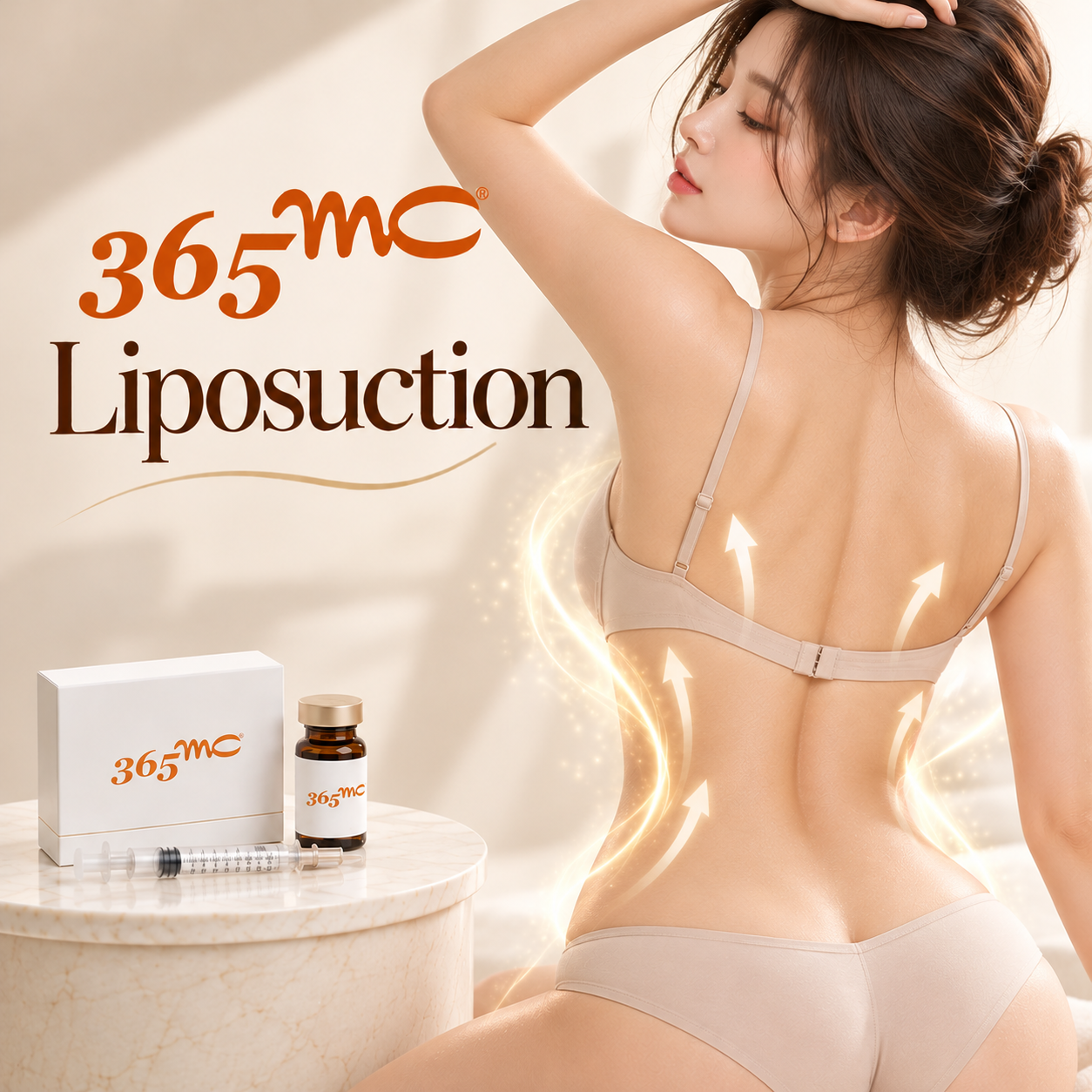
In short: Whether bra rolls are worth treating comes down to the kind of fat involved. Back liposuction can be worthwhile if you have pinchable fat around the bra line, upper back or lower back that has stayed despite a stable, healthy weight. It removes fat beneath the skin to create a smoother line under clothing, but it does not tighten very loose skin or replace weight management. Whether it is worth it for you depends on your fat type, skin quality and how the back blends with your waist and arms.
The back is an area many people only notice in photos, mirrors or fitted tops. Because back fat is often denser and more fibrous than fat on the belly or thighs, it behaves differently both in the gym and in the operating room. This guide explains what is realistic before you plan a trip.
What counts as back fat, and why is it so stubborn?
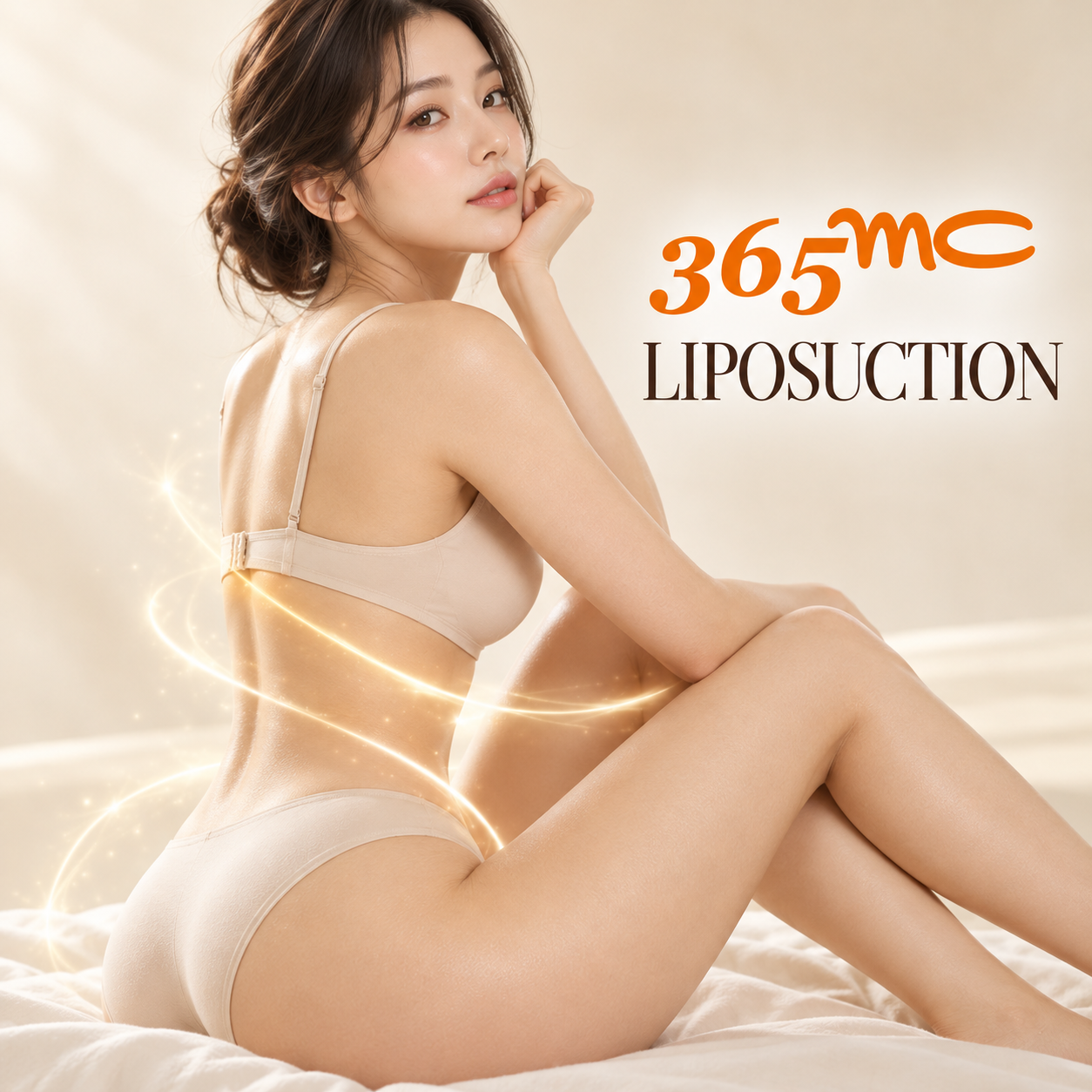
Back fat is not one area. Surgeons usually divide it into zones, because each one responds a little differently:
- Bra-line or bra-roll fat: the fold that sits above and below a bra band, often extending forward towards the armpit.
- Upper back and shoulder-blade area: fat over the shoulder blades that can make the upper body look broader.
- Armpit and side-chest fat: the small pad between the arm and the chest that often shows in sleeveless tops.
- Lower back: fat just above the buttocks that blends into the flanks, often called love handles.
Back fat tends to be firm, with many fibrous bands connecting skin to deeper tissue. That structure is partly why it can persist even when you lose weight elsewhere. Spot exercises strengthen the muscles underneath but do not selectively burn the fat sitting on top of them.
Who may suit back liposuction, and who may not?
It may suit you if
- You are at or near a weight you can maintain, and the back fat has not shifted with diet and exercise.
- The fat is pinchable, meaning it sits under the skin rather than being a deep muscular bulk.
- Your skin has reasonable elasticity, so it can shrink back over the new contour.
- You want a smoother bra line or better proportion between your back, waist and arms.
It may not suit you if
- Most of the fold is loose, hanging skin after major weight loss. In that case skin-removal surgery may be the more appropriate discussion.
- You are planning significant weight loss soon, including with GLP-1 medication. It is usually wiser to reach a stable weight first and discuss timing with your prescribing doctor.
- You have medical conditions, medications or bleeding tendencies that raise surgical risk. Nothing should be scheduled until a doctor has your complete health picture.
If you are unsure where you stand, a liposuction candidacy guide is a useful starting point before a consultation.
How does back liposuction work?
The surgeon first marks the zones while you are standing, because fat folds change shape when you lie down. Small entry points are placed in discreet spots, often near the bra line or in natural creases. Fluid containing a local anaesthetic is introduced to numb the area and reduce bleeding, and fat is then removed through a slim tube called a cannula.
Because back fat is fibrous, the surgeon may need to loosen the tissue more carefully than on softer areas. Feathering, or tapering the edges, matters a great deal here: the back is a large, visible surface, and abrupt transitions can show as ridges under thin fabric.
Conventional liposuction or LAMS?
- Conventional liposuction suits larger volumes or when the back is treated together with several other areas. You are usually sedated or fully asleep, and wear a compression vest for a while afterwards.
- LAMS (Local Anesthetic Minimal-Invasive Liposuction) numbs just the back zone so you remain conscious, and may suit a defined bra roll or armpit pad with a moderate amount of fat. You will not need a garment afterwards, and recovery is usually shorter, although swelling and bruising are still possible.
You can read more about how the area is approached on the back liposuction page.
Should the back be treated with the flanks or arms?
The back rarely exists in isolation. Bra-roll fat often continues into the armpit and upper arm, and lower-back fat merges into the flanks. Treating one zone alone can sometimes leave a step between treated and untreated areas.
Common pairings include:
- Bra line plus armpit fat, for a cleaner silhouette in sleeveless tops.
- Lower back plus flank liposuction, to refine the waistline from behind and the side.
- Upper back plus upper arms, when both contribute to a broad look across the shoulders.
Combining areas can give a more balanced result but adds volume, operating time and recovery. A good surgeon will explain the trade-off rather than simply adding areas.
What is recovery like after back liposuction?
Recovery depends on the method and how much fat is removed. As a general guide:
- First few days: soreness, tightness and some fluid leakage from the entry points are common. Sleeping on your back may feel uncomfortable, so side sleeping with pillows often helps.
- First one to two weeks: bruising and swelling peak and then fade. Many people return to desk work within days, especially after LAMS.
- Weeks three to six: firmness and lumpiness under the skin are normal as tissue settles. Structured aftercare such as radiofrequency and vacuum massage may help.
- Three to six months: the contour continues to refine as swelling resolves.
After conventional liposuction a compression garment is usually worn for several weeks. Bra straps can rub on healing tissue, so many people switch temporarily to soft, wire-free bras or garments recommended by their clinic.
What are the risks of back liposuction?
Back liposuction is surgery, and its risks should be weighed honestly:
- Bruising, swelling and temporary numbness or altered sensation.
- Contour irregularities, such as dents or ridges, which are more noticeable on a broad flat surface.
- Fluid collection (seroma), infection or delayed wound healing.
- Skin that does not fully retract if elasticity is limited.
- Rarer but serious complications linked to anaesthesia, blood clots or bleeding.
Careful assessment, conservative volume limits, good technique and attentive aftercare reduce these risks but cannot remove them entirely.
What affects the cost of back liposuction?
Clinics in Korea generally provide individual quotes rather than fixed menus. Factors that shape a quote include:
- How many back zones are treated, and whether flanks or arms are added.
- The volume of fat and how fibrous the tissue is.
- The method: each back zone is a separate line item for surgery, whereas LAMS at 365mc is charged on the volume taken out.
- Anaesthesia type and whether aftercare sessions are included.
Remember to budget for accommodation, transport and time off work too. Some of the VAT on qualifying cosmetic fees may be refunded to visitors who depart within three months; a passport is needed to claim it.
Planning a back liposuction trip to Korea
- Consult before you book flights: send clear back photos in good lighting for an online or video consultation, then confirm suitability in person.
- Length of stay: for LAMS, many travellers plan around a week; for conventional liposuction, longer stays allow early check-ups and initial aftercare. Your doctor will advise on your case.
- Flight comfort: choose an aisle seat, wear loose clothing, walk regularly and stay hydrated. Ask your surgeon when flying is appropriate for you.
- Aftercare abroad: at 365mc, the Orange Care aftercare programme includes sessions such as radiofrequency and Ender Plus vacuum massage, and if you leave before finishing, coordinators send you home with a routine and keep checking in remotely.
Your questions, answered
Will back liposuction help me lose weight?
Not really. Expect the change to show in how a fitted top or bra sits, with very little difference on the scales.
Can back fat come back after liposuction?
The back fat that is suctioned out does not regrow. Gaining weight can still enlarge the cells that remain, so a stable weight keeps the smoother line.
Is bra-roll fat always fat?
Not always. Sometimes the fold is mostly loose skin or is created by a tight bra band. A hands-on examination helps separate fat, skin and fit.
Will there be visible scars?
Entry points are small and placed in discreet locations. They usually fade over months, though everyone heals differently and marks do not disappear completely for everyone.
When can I wear a normal bra again?
Many people return to a soft, non-wired bra within days and a regular bra once tenderness settles, often after a few weeks. Your surgeon will advise based on your healing.
If you are wondering whether your bra line is worth treating on its own or alongside the waist, send back and side photos to a coordinator for a free review; a doctor can discuss it by video before you plan the trip.
This is general information and does not replace medical advice. Whether back liposuction is worthwhile for you, and how you heal, is assessed in person by a doctor and varies from person to person.